


- You are here:
-
Sights by Regions

- Sumy region
Sumy region


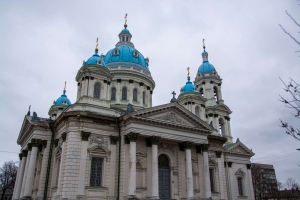


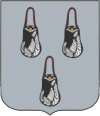



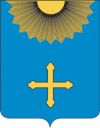


Sumy Region sits at the meeting point of two historical lands: the north is Sivershchyna — ancient Rus' chronicle territory, the Hetmanate capital at Hlukhiv, and the city immortalised in The Tale of Igor's Campaign; the south is Slobozhanshchyna — the seventeenth-century Cossack frontier, with Sumy, Okhtyrka, and Lebedyn. One oblast claims a Hetmanate capital, a city from a medieval epic, dendroparks rivalling the finest in Europe, and what many consider Ukraine's best chocolate factory.
From late February to April 2022, large parts of Sumy Region were occupied or under active fighting. Trostianets, Okhtyrka, and Lebedyn survived occupation and bombardment. After the Kyiv-Chernihiv counter-offensive the region was de-occupied. Today the northern and eastern border strip remains a front-line zone due to its direct land border with Russia (Bryansk, Kursk, and Belgorod oblasts), with regular shelling of the borderlands. The central and southern parts of the region are noticeably safer.
Important. Sumy Region has been de-occupied, but the border strip — Hlukhiv, Shostka, Velyka Pysarivka, Seredyna-Buda, Bilopillia — remains a front-line zone with regular artillery and drone strikes from Russian territory. Check official channels and the "Povitriana tryvoga" app before any trip. Central and southern Sumy Region (Sumy, Trostianets, Okhtyrka, Lebedyn) is noticeably safer.
Region at a Glance
| Administrative centre | Sumy |
| Area | 23,834 km2 |
| Population | ~1.0 million |
| Historical lands | Sivershchyna (north), Slobozhanshchyna (south) |
| Major rivers | Desna, Seym, Psel, Vorskla, Sula |
| Current status | De-occupied (2022); border strip — active front-line zone |
| Best time to visit | May–October for parks and nature; year-round for Sumy, Hlukhiv, Trostianets |
In This Article
- What this region is and why people come
- Geography, landscapes, climate
- History in brief
- Legends and local lore
- Top sights of the region
- Day trips and weekend itineraries
- Things you must do
- FAQ
What This Region Is and Why People Come
Sumy Region is one of Ukraine's most overlooked destinations. No Carpathian peaks, no Black Sea coast, no Golden Horseshoe castles — but what it does have is Hlukhiv, the Hetmanate capital where Ukrainian hetmans governed for over 70 years; Putyvl, the city whose walls echo through The Tale of Igor's Campaign, where Yaroslavna lamented her captive husband; Trostianets, with dendroparks to rival anything in Western Europe; and the unhurried Slobozhanshchyna Baroque of its Cossack churches.
Four kinds of traveller make the journey here. The first comes for Hetmanate heritage: Hlukhiv as the last capital of autonomous Ukraine, Konotop and the battlefield of the legendary 1659 victory. The second comes for chronicle-era Sivershchyna: Putyvl and its direct connection to medieval Kyivan Rus' literature. The third comes for manor houses and dendroparks: Trostianets with the Golitsyn Palace and the park known as Neskuchne. The fourth simply comes for the region itself — quiet, deeply green, with a pace that makes Kyiv feel like another world.
Geography, Landscapes, Climate
Sumy Region is forest-steppe country with Polissia pockets in the north. The northern Sivershchyna zone is pine and mixed forest, bogland, and the slow rivers Desna and Seym. Here lies the Desniansko-Starohutsky National Park — one of the wildest stretches of forested wilderness on Ukraine's left bank. The southern Slobozhanshchyna zone opens into forest-steppe, fertile black-earth farmland, oak groves, and Cossack villages.
Five rivers cross the oblast: Desna, Seym, Psel, Vorskla, and Sula. The Psel is considered one of Ukraine's cleanest rivers. In the south, the Hetmansky National Nature Park lines the Vorskla banks with oak primeval forest, some trees reaching 300 to 400 years of age.
When to go. Late April through mid-October is ideal for dendroparks and nature. The Trostianets parks bloom in May and turn gold in October. Hlukhiv, Putyvl, and Sumy can be visited year-round. The border strip (Hlukhiv, Shostka) — always verify safety conditions before travelling.
History in Brief
The northern half of Sumy Region is ancient Sivershchyna, the territory of the Novhorod-Siverskyi and Putyvl principalities of Kyivan Rus'. Putyvl appears in chronicles from 1146; it was from here that Prince Ihor Svyatoslavych led part of his army against the Cumans in 1185 — the campaign immortalised in The Tale of Igor's Campaign.
The southern half is Sloboda Ukraine, settled in the seventeenth century by Ukrainian Cossacks and peasants fleeing Polish oppression. Sumy (1655), Okhtyrka, and Lebedyn were founded in this era as Cossack regimental towns with their own self-governance.
The decisive chapter is Hetmanate Hlukhiv. After the Baturyn Massacre of 1708, the Hetmanate capital moved to Hlukhiv. From 1708 to 1782, Hlukhiv served as the capital of autonomous Ukraine — seat of the General Military Chancellery, governing residence of Hetmans Skoropadsky, Apostol, and Rozumovsky, home to Ukraine's first music school and printing house. In 1782, Catherine II abolished the Hetmanate; Hlukhiv lost its capital status forever.
A separate chapter of glory: the Battle of Konotop on 8 July 1659, when Hetman Ivan Vyhovsky and his Cossack-Tatar force routed the Muscovite army. One of the greatest Ukrainian military victories of the seventeenth century, systematically suppressed by the Russian Empire for centuries thereafter.
In the nineteenth century, Sumy Region became the centre of the sugar industry in the Russian Empire, driven by the Kharytononko family in Sumy, the Tereshchenko family in Hlukhiv, and the Golitsyns in Trostianets. These sugar magnates left behind palaces, parks, churches, and hospitals that still define the region's character. 2022 — the region endured occupation in the north and heavy shelling; de-occupied by April 2022, with the border strip remaining a front-line zone.
Hlukhiv was Ukraine's capital for 74 years — from 1708 to 1782. That is longer than Chyhyryn (around 50 years) and Baturyn (around 40 years). During the Hlukhiv period the Hetmanate preserved its autonomy, its own administration, army, currency, and courts. It was from here that the last Hetman, Kyrylo Rozumovsky, attempted to make the office hereditary — prompting Catherine II to abolish the Hetmanate altogether.
Legends and Local Lore
1. Yaroslavna's Lament on the Walls of Putyvl
The region's most famous legend is less a legend than a literary fact. In The Tale of Igor's Campaign (late twelfth century), Princess Yaroslavna — wife of the captive Prince Ihor — delivers her renowned lament from the rampart wall of Putyvl. Putyvl is one of the few real geographical places explicitly named in the most celebrated literary monument of Kyivan Rus'. On the town's earthen rampart, a spot still known as “Yaroslavna's Wall” draws visitors who want to stand where the epic was set.
2. The Hetmanate Treasure of Hlukhiv
When Catherine II abolished the Hetmanate in 1782, the last Hetman Kyrylo Rozumovsky allegedly managed to hide the Hetmanate treasury somewhere in Hlukhiv or its surroundings: gold coins, Hetman's regalia, documents of state. Local legend insists the trove lies buried in the catacombs beneath St Nicholas Church or under the remains of the Hetman's palace. Treasure hunters have been searching since the nineteenth century, occasionally finding individual coins but never the main hoard. Underground passage systems from the eighteenth century beneath the town remain only partially explored.
3. The Golitsyn Palace and the Fire That Wasn't
Golitsyn Palace in Trostianets — a nineteenth-century sugar-dynasty estate — was occupied by Russian troops during the March 2022 takeover of the town. According to local account (possibly fact rather than legend), as the Russians withdrew in late March, an officer ordered the palace burned — but the fire “wouldn't catch.” Wood refused to burn. Matches went out. The palace stood. Locals say: “The Golitsyn spirit didn't let them.” The building did indeed survive — damaged, but intact.
Top Sights of the Region
Hlukhiv — Last Capital of the Hetmanate
Hlukhiv is the most historically significant city in Sumy Region and the capital of autonomous Ukraine from 1708 to 1782. Its landmarks include the Kyiv (Moscow) Gate — the only surviving city gate of the Hetmanate era; St Nicholas Church (1693), where hetmans were elected; the Church of the Three Anastasias built by the Tereshchenko family; and the City Waterworks Tower — a rare surviving piece of eighteenth-century engineering. Hlukhiv is a border city; verify safety before visiting.
Putyvl — City of the Epic
Putyvl is one of Ukraine's oldest cities, first recorded in chronicles in 1146. Prince Ihor set out from here on his ill-fated campaign against the Cumans; from its walls, Yaroslavna sang her lament. Key sites: the earthen rampart with “Yaroslavna's Wall”, the Molchansky Monastery (sixteenth century) — a formidable fortified monastery-citadel — and the nearby Museum of Partisan Glory in Spadshchynsky Forest. Putyvl is a border city with restricted access due to its front-line proximity.
Trostianets — Golitsyn Palace and Dendropark
Trostianets survived occupation in March 2022 and became a symbol of civic resistance. The nineteenth-century Golitsyn Palace, the Round Yard (a unique circular building of 1749, formerly a riding ring), and the Neskuchne dendropark with its rare trees and Grotto of Nymphs form a remarkable complex. The town is also home to one of Ukraine's largest chocolate factories. Trostianets lies in the central, relatively safe zone of the oblast.
Sumy — Regional Capital
Sumy is a leafy, unhurried regional capital founded by Cossacks in 1655. The city's defining symbol is the Altanka — an ornate white nineteenth-century gazebo in Kharytononko Square that appears on the city's coat of arms. Must-sees include Trinity Cathedral, the Church of the Annunciation of Mary, and the Old Town with its merchant architecture built by the Kharytononko sugar dynasty.
Okhtyrka — Slobozhanshchyna Baroque
Okhtyrka was a Cossack regimental town of the Sloboda Ukraine frontier. Its architectural crown is Pokrovsky Cathedral (1753–1768) — a masterpiece of Ukrainian Cossack Baroque and one of the most beautiful churches on the left bank of the Dnipro. Okhtyrka was shelled in 2022 but held firm and is rebuilding.
Konotop and the Battlefield of 1659
Konotop is an historic town defined by the Battle of Konotop on 8 July 1659, in which Hetman Ivan Vyhovsky's Cossack-Tatar force destroyed a Muscovite army. One of the great Ukrainian military victories of the seventeenth century, the battle was systematically erased from Russian historiography. The town has a history museum, a battlefield memorial, and a well-preserved historic centre. In 2022 it repelled an occupation attempt.
Romny — Cossack Market Town
Lebedyn and Romny are two Cossack towns with outstanding ecclesiastical architecture. In Romny: Holy Spirit Cathedral and St Basil's Church. Romny was also the birthplace of a notable avant-garde sculptor, and hosted the “Romny Fair” — the earliest provincial market fair in Ukraine, famous across the empire.
Manors and Churches of the Countryside
Sumy Region is rich in noble estates and Cossack churches beyond the main towns. Khrushchov Manor in Lyfyne — a nineteenth-century estate set among Slobozhanshchyna fields. Trinity Church in Pustovoitivka (1773) — a wooden masterpiece connected to the family of Petro Kalnyshevsky, last Kish Otaman of the Zaporozhian Sich. And for families with children: the ostrich farm in Verkhnia Syrovatka.
Day Trips and Weekend Itineraries
Route 1. Sumy in One Day
A relaxed day in the regional capital. Morning: Old Town merchant architecture and the Altanka gazebo in Kharytononko Square. Trinity Cathedral and Annunciation Church. Lunch. Afternoon: the Psel embankment and city parks. Gentle urban rhythm throughout.
Route 2. Trostianets — Palace, Park, and Chocolate
Around 50 km from Sumy. Golitsyn Palace with its regional history museum. The Round Yard of 1749. The Neskuchne dendropark with the Grotto of Nymphs. Lunch — with locally made chocolate. One of the best family day trips in the region, entirely within the safer southern zone.
Route 3. Hetmanate Hlukhiv — When Safe to Travel
A dedicated northern route. Hlukhiv: the Kyiv Gate, St Nicholas Church, the Church of the Three Anastasias, and the Waterworks Tower. Check security conditions first: Hlukhiv is a border city with restricted access due to its front-line proximity.
Route 4. Slobozhanshchyna Churches Weekend
A two-day church architecture circuit. Day 1: Okhtyrka and the Pokrovsky Cathedral. Overnight. Day 2: Lebedyn, then Romny for the Holy Spirit Cathedral and St Basil's Church, ending at the wooden Trinity Church in Pustovoitivka.
Route 5. Chronicle Sivershchyna — When Safe to Travel
For devotees of medieval Rus' history. Putyvl: Yaroslavna's Wall, the Molchansky Monastery-fortress, and the Museum of Partisan Glory in Spadshchynsky Forest. Currently restricted due to the front-line status of the borderlands.
Things You Must Do in Sumy Region
- Stand at the Kyiv Gate in Hlukhiv — the only surviving city gate of the entire Hetmanate era (when safe to visit).
- Find “Yaroslavna's Wall” in Putyvl — the real place named in the most celebrated literary monument of Kyivan Rus'.
- Walk through the Neskuchne dendropark in Trostianets all the way to the Grotto of Nymphs — one of the most beautiful parks on Ukraine's left bank.
- Step inside Pokrovsky Cathedral in Okhtyrka — a masterpiece of Slobozhanshchyna Baroque that survived even the war intact.
- Photograph the Altanka in Sumy — the ornate gazebo that has graced the city's coat of arms for generations.
- Try Trostianets chocolate right in the town where it is made.
- Stand on the Konotop battlefield — where in 1659 a Cossack-Tatar force routed the Muscovite army in one of Ukraine's greatest victories.
- Visit the Round Yard in Trostianets — a unique circular structure of 1749, unlike anything else in Ukraine.
- Try Slobozhanshchyna borscht with pampushky at a local restaurant in Sumy or Lebedyn.
- Buy Sumy honey — wildflower honey from the meadows of the Hetmansky National Park.
Trostianets was under Russian occupation for close to a month in March 2022. Residents organised resistance, passed coordinates to the Ukrainian Armed Forces, sheltered activists. The town was liberated on 26 March 2022. The Trostianets defence became one of the defining symbols of Slobozhanshchyna's defiance — a small city that refused to break. Golitsyn Palace and the dendropark survived occupation with damage, but intact.
Frequently Asked Questions
Is it safe to travel to Sumy Region now?
It depends entirely on which part of the region. Central and southern Sumy Region (Sumy, Trostianets, Okhtyrka, Lebedyn) is noticeably safer, with infrequent air alerts. The border strip (Hlukhiv, Shostka, Putyvl, Velyka Pysarivka, Bilopillia) is a front-line zone with regular artillery and drone strikes from Russian territory. Always check official channels before any trip.
What can I see in Sumy Region in one day?
In the safer part of the region: Trostianets with Golitsyn Palace, the dendropark, and chocolate. Or Sumy with the Altanka, cathedrals, and Old Town. Hlukhiv and Putyvl are for future itineraries, once the border zone is calm again.
Why is Hlukhiv important in Ukrainian history?
Hlukhiv served as the Hetmanate capital for 74 years — from 1708 (after the Baturyn Massacre) to 1782 (when Catherine II abolished the Hetmanate). It was the seat of the General Military Chancellery, the governing residence of Hetmans Skoropadsky, Apostol, and Rozumovsky, and home to Ukraine's first music school. It was the last capital of autonomous Cossack Ukraine.
What is the connection between Putyvl and The Tale of Igor's Campaign?
Putyvl is explicitly named in The Tale of Igor's Campaign (late twelfth century) — the most celebrated literary monument of Kyivan Rus'. According to the text, it was from Putyvl's fortification wall that Princess Yaroslavna lamented her husband Prince Ihor's capture by the Cumans (the famous “Yaroslavna's Lament”). The spot on the town's earthen rampart is still called “Yaroslavna's Wall.”
What happened to Trostianets in 2022?
Trostianets was under Russian occupation for approximately one month, from late February until 26 March 2022. Residents organised active resistance. After liberation, the Trostianets defence became one of the defining symbols of Slobozhanshchyna's resolve. Golitsyn Palace and the dendropark survived occupation with some damage but are being restored.
Where can I take children in Sumy Region?
Trostianets with the Neskuchne dendropark and chocolate factory. The ostrich farm in Verkhnia Syrovatka. The parks and Psel embankment in Sumy. All are in the safer central zone of the oblast.
What are the traditional dishes of Sumy Region?
Slobozhanshchyna borscht with pampushky and garlic, Sivershchyna-style halushky dumplings, Hlukhiv poppy-seed pastries, Putyvl honey cakes, Okhtyrka cherry varenyky, Lebedyn cottage cheese. In the north (Sivershchyna): Polissia-style dishes with mushrooms and forest berries. And always: Trostianets chocolate.
What should I bring home from Sumy Region?
Trostianets chocolate, Sumy wildflower honey from the Hetmansky National Park, Altanka postcards, ceramics from Romny craftsmen, Hlukhiv embroidery, and Putyvl honey cakes.
Sumy Region holds its depth quietly. Hlukhiv was the capital of Ukraine for three quarters of a century. Putyvl lives in the oldest literary text of the land. Konotop remembers a victory that the empire tried to erase. Trostianets in 2022 showed what “refusing to break” looks like in practice. This is not a region for entertainment tourism — it is a region for understanding how ancient, how stubborn, and how distinctly itself Ukrainian Slobozhanshchyna and Sivershchyna have always been.
For now: Trostianets and Sumy as the safe anchors. Hlukhiv and Putyvl wait for the day when the border is quiet again.
JoomShopping Download & Support